
A Period Should Not End a Girl’s Education
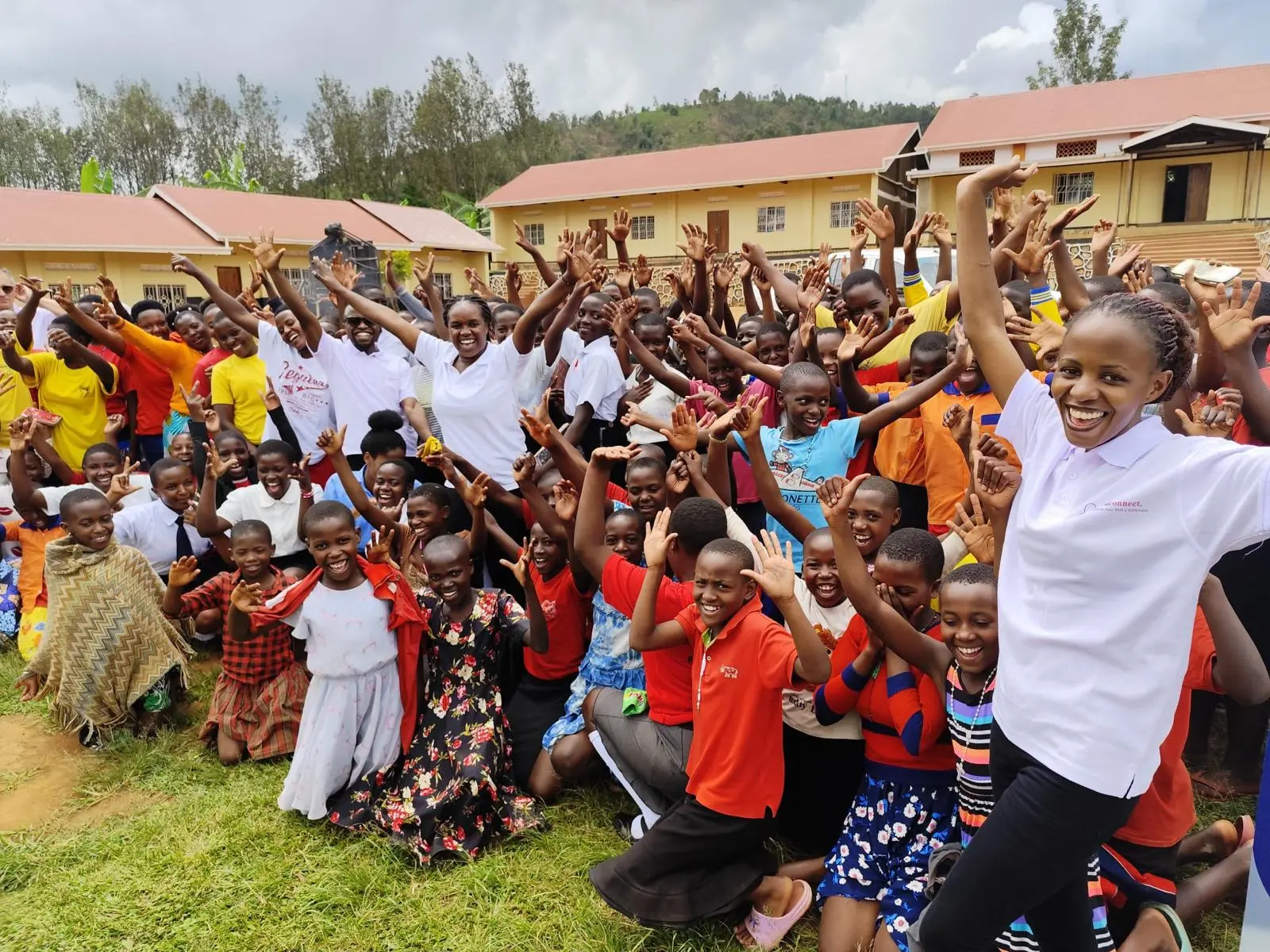
One afternoon at a rural school in Rushooka, Uganda, a group of girls slowly gathered during our MedConnet health outreach. We had come to speak about menstrual health, a topic rarely discussed openly.
One afternoon at a rural school in Rushooka, Uganda, a group of girls slowly gathered during our MedConnet health outreach. We had come to speak about menstrual health, a topic rarely discussed openly.
At first the girls were quiet. They looked at one another, unsure whether it was safe to speak about something often treated as a secret.
Then a 14-year-old girl raised her hand.
For two years, she explained, she had been using scraps of old cloth during her periods because her family could not afford sanitary pads. She washed the cloth at night and hid it during the day. Sometimes she stayed home from school out of fear that it might leak or that classmates would notice.
That afternoon was the first time she had ever seen a real sanitary pad.
She held it in her hands carefully, almost reverently as if it were something fragile and precious.
To her, it was.
For millions of girls across Uganda and much of Sub-Saharan Africa, menstruation is not just a biological reality. It is a barrier to education.
When girls lack access to sanitary products, safe toilets, clean water or basic information about their bodies, their monthly periods can mean missing several days of school. Over time, those missed days accumulate. Girls fall behind in lessons. Some lose confidence. Others drop out entirely.
The consequences extend far beyond the classroom.
Education is one of the strongest predictors of a girl’s future health, income and independence. When girls leave school early, their opportunities narrow and the cycle of poverty becomes harder to break.
Yet the cause of this disruption is often something painfully simple: the absence of affordable menstrual products and supportive environments.
In many schools, there are no private toilets where girls can change safely. Water and soap may be unavailable. Teachers may feel uncomfortable discussing menstruation, leaving girls to navigate the experience alone and often in shame.
The silence surrounding menstruation can be as damaging as the lack of resources. Many girls reach puberty without understanding what is happening to their bodies. Fear and embarrassment replace knowledge and confidence.
But small interventions can make an enormous difference.
At MedConnect, we have begun providing menstrual health education to schoolgirls and communities during our medical outreach programs. These sessions create a safe space for girls to ask questions, learn about their bodies and understand that menstruation is natural not something to hide.
We are also working toward expanding menstrual health education across Uganda by training teachers, community leaders and health care providers to support girls in schools and communities.
Our long-term vision includes collaborating with government agencies and partners to distribute sanitary products to girls who cannot afford them and to advocate for policies that prioritize menstrual health in schools.
The impact can be immediate.
When girls receive pads and basic information about menstrual health, many return to school with renewed confidence. They participate more in class. They stop worrying about embarrassment or missing lessons.
In other words, they regain something fundamental: the ability to focus on learning.
But organizations like MedConnect cannot address this challenge alone.
Menstrual poverty remains one of the most overlooked barriers to education in many parts of the world. Despite its widespread impact, it rarely receives the attention given to other educational obstacles.
Yet the solution is neither complex nor expensive. Ensuring access to menstrual products, safe sanitation facilities and basic education about menstruation can transform the daily lives of millions of girls.
Because something as natural as a period should never force a girl to choose between her education and her dignity.
Across Uganda, the next generation of doctors, teachers and leaders is already sitting in classrooms.
All they need is the chance to stay there.